Essay · Internet culture
The Internet's Tall Tales, Told in Thirty Seconds: On PopcornTheory
A Belgian creator's YouTube channel retells the internet's favourite brand legends, sign wars and stunt contests at the speed of the feed. Eighteen months and 685 million views in, the genre it built is starting to change shape.
PopcornTheory in four eras
- Mar 2025first short, fake wasabi
- May to Nov 2025the brand-lore hits, Oct 2025 = 223M views
- Apr to Jul 2026Japan, internet culture, the World Cup
- Aug 2026the turn: on camera, the heart stories
"In 2021, McDonald's actually started a sign war with Dairy Queen." That is the whole opening of a 29-second video, and by the time the narrator has read out the first roadside sign, "Hey, DQ, want to have a sign war?", forty-seven million people have decided to stay and hear the rest. Dairy Queen is too busy making ice cream. McDonald's says its ice cream makes itself. Dairy Queen answers, "You mean it actually works." The narrator, deadpan, adds one word: "Shocker."
The video is from PopcornTheory, a YouTube Shorts channel run by Deni, a creator based in Belgium, and it is the second most watched thing the channel has ever posted. Nothing in it is spectacular. There is no footage of the signs changing, no interview, no reveal. There is a story, told well, in under half a minute, about two corporations behaving like teenagers. That turns out to be enough, and it turns out to be a genre.
Brand lore
Every culture has its campfire stories. The internet's are about companies.
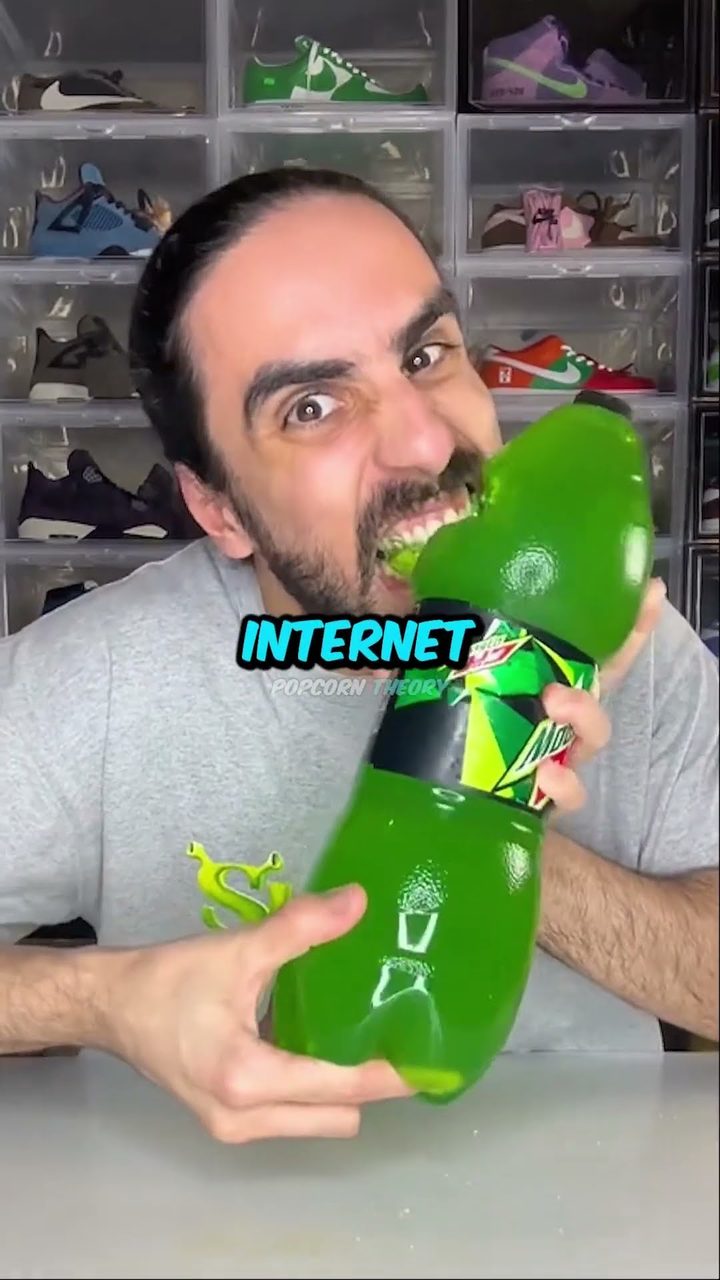
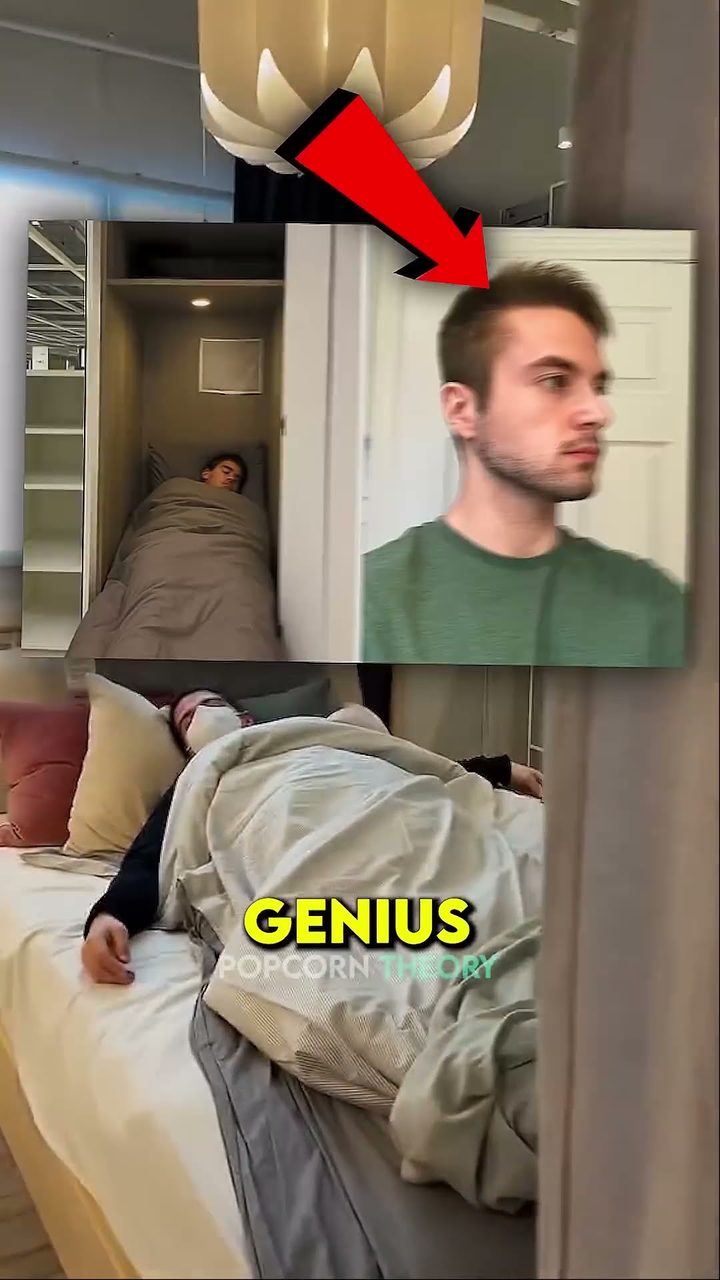
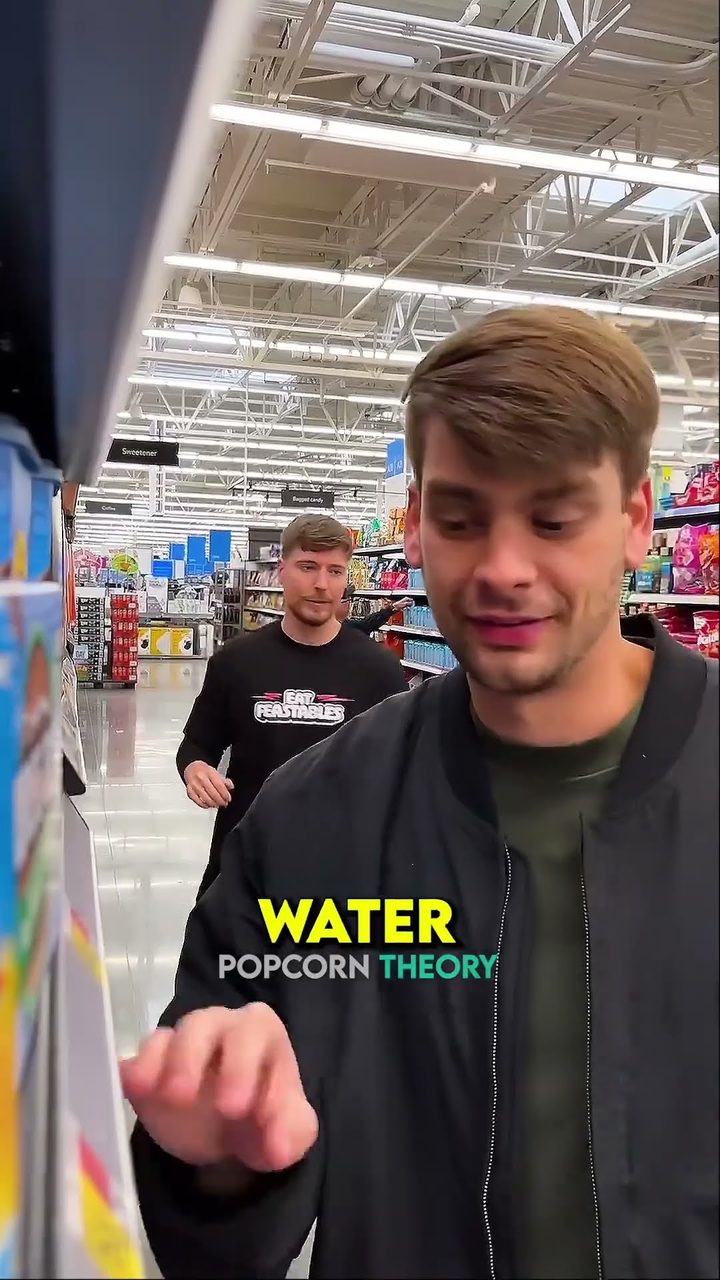
PopcornTheory's catalogue is a field guide to them. The soft-drink maker that asked the public to name a flavour and got a list of names it could not print (48.6 million views, the channel's all-time record). The man who tattooed a burrito chain's logo on his leg for free food for life and was banned three months later for showing up every day (28.2 million). The furniture giant that supposedly promised free furniture for life to anyone who could live in its showroom for a month, and the man who built a hiding place inside a wardrobe and lasted 29 days until a customer tried to buy it (25.5 million). The supermarket hide-and-seek for $100,000, lost on day six to a bulk toilet-paper order (19.2 million). The console maker's hundred-hour gaming challenge, lost at hour 99 to a tornado (20.1 million).
The stories share a shape, and the shape is old. An institution makes a rule or an offer. An individual takes it literally. The institution discovers what it has done. The listener gets to enjoy both the ingenuity and the comeuppance, and, in the best of them, a bittersweet ending: IKEA still gave him a gift card; Walmart still gave him ten thousand dollars. These are trickster tales with a corporate logo where the fox used to be, and the channel tells them the way they circulate online, with a date up front and the confidence of a friend who heard it from someone reliable.
These are trickster tales with a corporate logo where the fox used to be
What PopcornTheory added to the form is compression. The median short is 32 seconds. The narration starts on the first frame, the visuals are found clips and stills with a single yellow keyword stamped on each, and a red arrow points at the detail that matters. Nothing is explained twice. The skull emoji in the title, present on 83 of the channel's 335 uploads, tells you the tone before you press play: someone in this story is about to have a bad day, and it will be funny.
Why food
It could have been any subject. It is food because food is the one vocabulary everybody on the internet shares.
A creator in Belgium writing in English for a global audience needs references that survive the crossing, and few things travel like a fast-food chain. McDonald's appears in 16 PopcornTheory titles, KFC in 12, and the audience does not need a footnote for either. The same goes for the chocolate spread. Nutella is the channel's recurring character: the French couple who tried to name their daughter after it and had a judge rename her Ella (31.1 million), the survey claiming 88 percent of people pronounce it wrong (24.9 million), what the name actually means, what the factory worker leaked about the recipe, the right way and the wrong way to eat it. Eleven episodes, 62.8 million views, and a jar that has become a minor celebrity in the channel's universe without ever being reviewed.
There is also the matter of scale. The subjects are enormous, faceless and rich, which makes them safe to laugh at and satisfying to see outwitted. A story about a college student who ordered unlimited Olive Garden breadsticks for the price of a soft drink and sold them to his dormitory at a dollar each (16.6 million) is not really about breadsticks. It is about the small, clever person and the large, distracted system, and everyone watching knows which one they are.
October 2025
If the genre has a high-water mark, it is October 2025, when PopcornTheory posted thirty shorts in thirty-one days and nineteen of them passed a million views, 223 million in total. It was the month the two strands of the channel's material, corporate mischief and the stunt contest, ran at full strength at the same time. The sign war led. Behind it came the showroom, the supermarket, the gaming marathon, the man who supposedly changed his name to Colonel Sanders for unlimited fried chicken (9 million), the seven-day no-sleep challenge for unlimited energy drinks (7.8 million), and a TikTok creator's "deconstructed salad" (19.1 million), which is to say lettuce with salt, and which the internet then made and loved.
Read together, those thirty videos are less a channel than a collection of modern fables with the morals removed. Nobody learns anything. The house always wins, the player always gets a consolation prize, and the audience is never asked to feel bad for the corporation. It is a remarkably consistent moral universe for a format that lives and dies in the three seconds before a thumb moves.
The turn
Then, in 2026, the channel started reading the internet differently.
The first sign was a widening of subjects: a run of shorts about Japan, its bakeries, its packaging laws, its vending inventions; commentary on creator culture itself, from the people who repost other people's videos and simply point at them to the state of Shorts comment sections. When the World Cup arrived in North America in June, the same storytelling machinery was pointed at a live event for three weeks: a restaurant in Atlanta adding a "FIFA" charge to a Taco Tuesday bill (2.7 million), the question of whether Argentina was being refereed generously (2.4 million), a woman who looked so much like Erling Haaland that she staged a look-alike contest for tickets, and the winner watched the real Haaland lose (2.1 million).
The bigger change was in what the stories were for. Alongside the skull, a mending-heart emoji began to appear in the titles. The channel's most watched short since January is not about a corporation at all. It is about parents handing their phone to a three-year-old, telling her they are filming a video about their favourite person, and describing her, compliment by compliment, until she realises they mean her (4.05 million views). A four-year-old comes home from the worst first day of school and, after the comments section apparently makes some calls to the principal, has the best day ever on day two. A bus driver meets the love of his life. A boy who was bullied wins in the end.
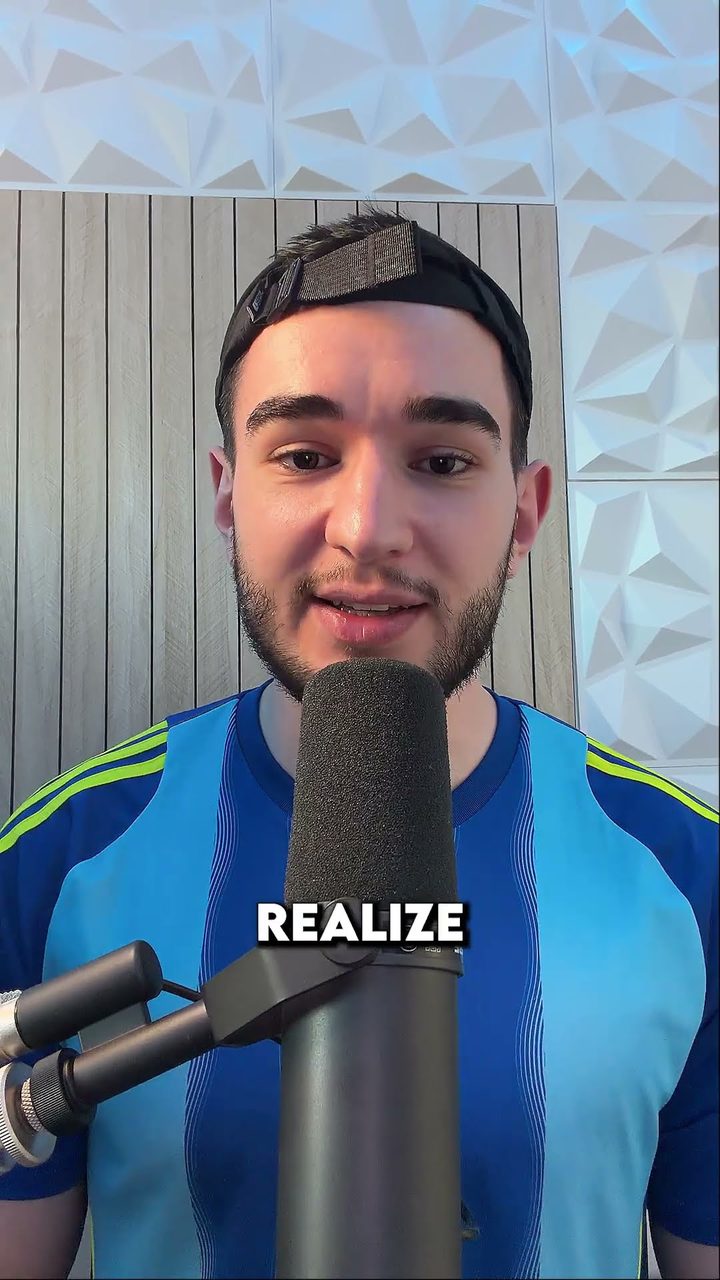
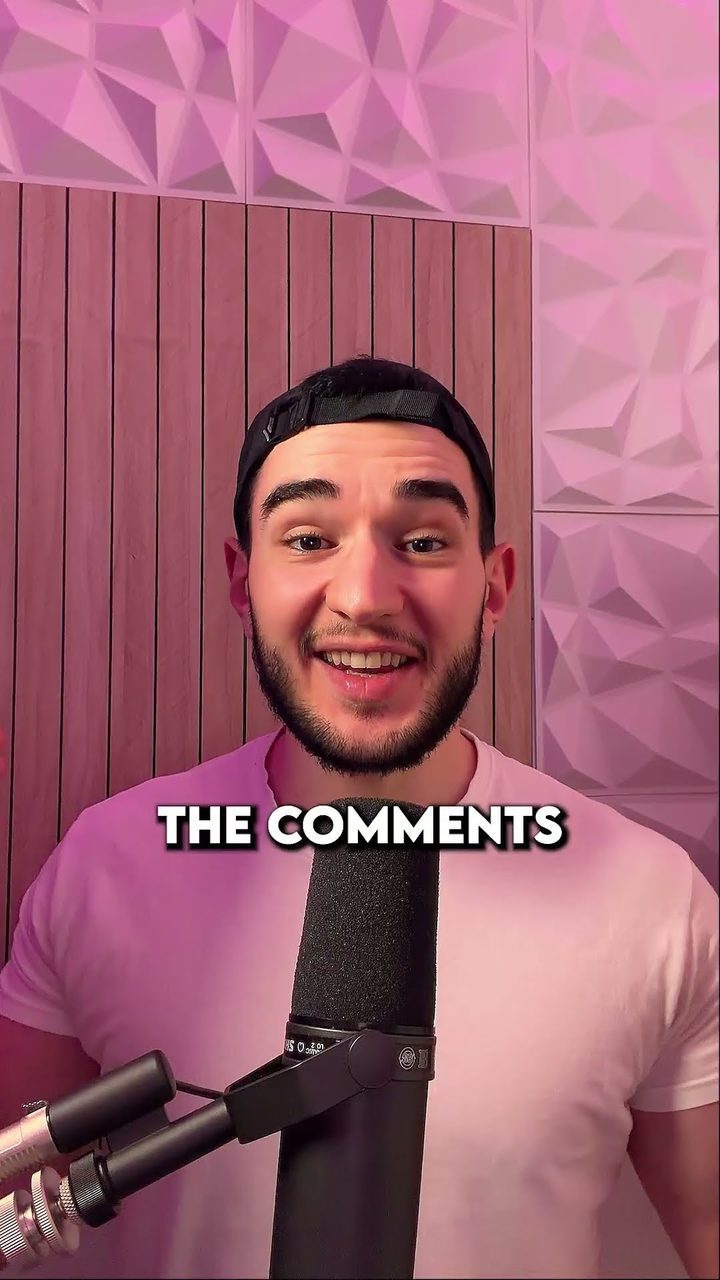
The narrator changed with the material. The 2025 shorts had a voice and no face. The newer ones put a presenter on camera, at a microphone, in front of a pink backdrop, and they open not with a date but with a spoken "So," the way a friend starts a story they have been waiting to tell. Tall tales became testimony. The channel that had specialised in the internet's legends began telling the internet's small true moments, and the audience, so far, has come along.
Tall tales became testimony.
Have some popcorn
The channel's description has been the same three words since the day it was created: have some popcorn. It reads like a joke about the subject matter and is really a statement about the form. Popcorn is what you eat while watching something happen to someone else. The whole genre PopcornTheory built, from the sign war to the wardrobe in the IKEA bedroom section to the three-year-old realising she is the favourite person, is the internet watching itself and passing the bowl.
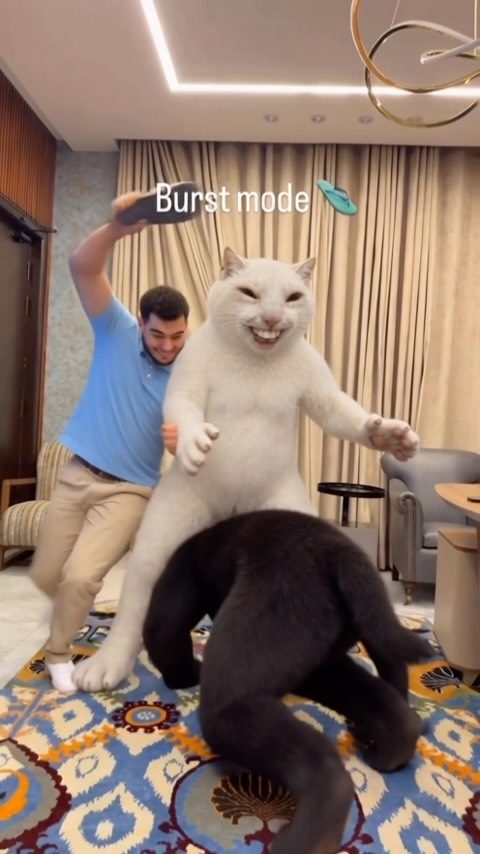
Whether the next chapter is more legends, more testimony or something else again, the appetite is clearly intact. On Instagram, the same creator has spent September performing slapstick alongside AI-generated creature characters, a giant white cat with human teeth among them, to ten million views in ten days. The food, it turns out, was never the point. The story was.
The Platform Post. Figures are from YouTube and Instagram public statistics, retrieved September 25, 2026.